我们居住的世界充满各式各样的动物,这些动物为了生存不断地演化,适应环境的挑战,从生存竞赛中脱颖而出。国家地理频道《世界致命动物》节目,将介绍八个地区的菁英动物,牠们分布在亚洲、亚马逊雨林、中美洲和亚太等地区。每集都以高超的拍摄技巧和手法,拍下令人叹为观止的动物行为。本系列节目旁白以第一人称的方式叙述,巨细靡遗地介绍动物的致命杀伤力。
在这部纪录片剧集中,艾塔娜坦露并回顾自己从普通青少年成长为炙手可热的国际流行歌手所经历的私密时刻。
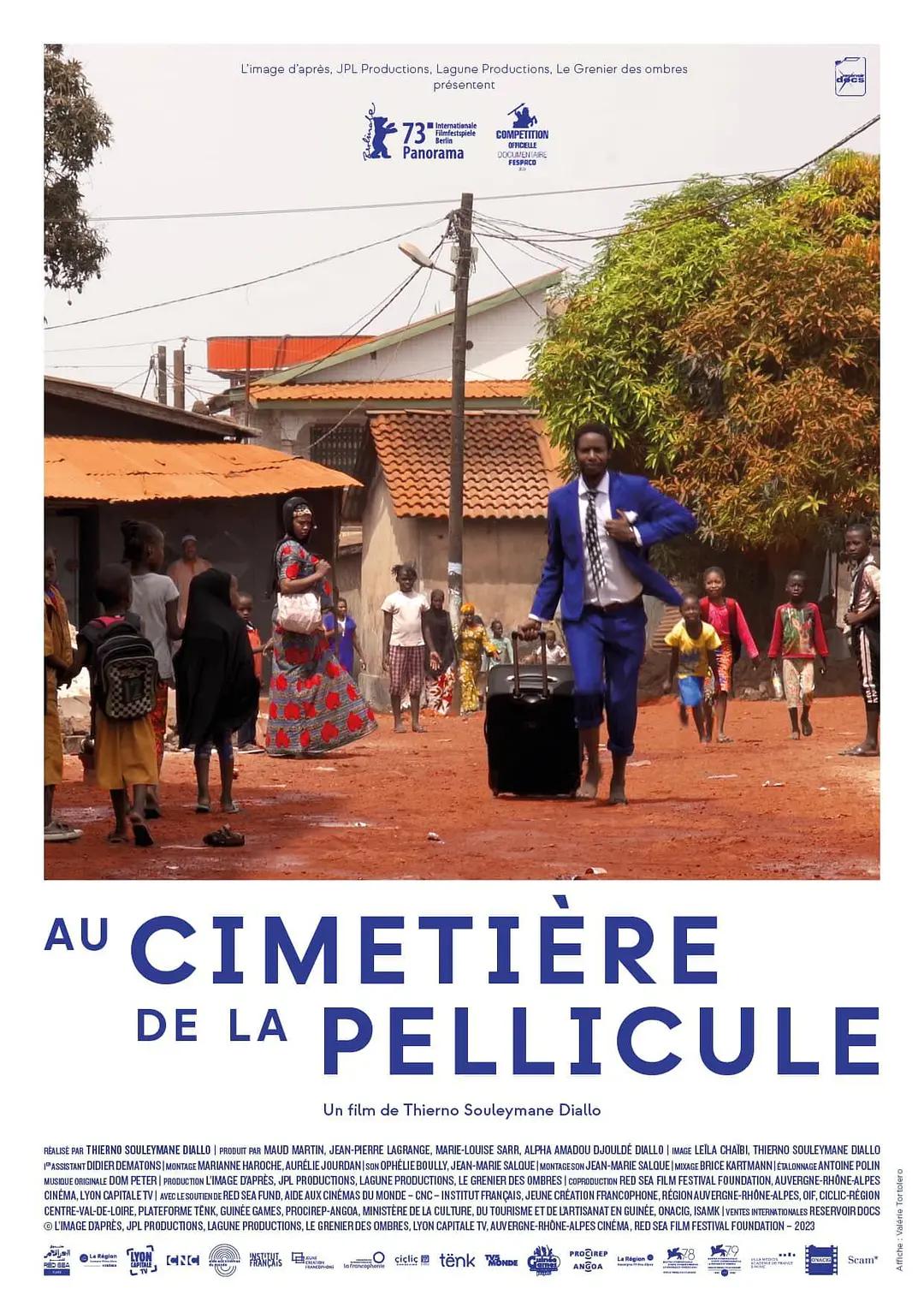
Barefoot roadtrip around Guinea in search of the first film made by a local filmmaker. A charming and cinematic adventure, where the journey and the destination are equally important, and a film about collective memory and porous film reels. Does a film exist if no one has seen it Guinean film director Thierno Souleymane Diallo goes on a barefoot road trip around his country t...
三星堆,这片神秘的遗址宛如一座深邃的历史迷宫,自其惊现于世,便凭借独特魅力牢牢吸引着全球目光。节目紧紧围绕三星堆遗址这一核心原点,将焦点深度投射在一件件珍贵文物之上。跟随节目细腻镜头,观众仿若穿越时光隧道,回溯至3000多年前那神秘莫测的古蜀时代。节目全方位呈现遗址发掘过程,试图借此还原古蜀人的生活风貌,他们的日常劳作、贸易往来。进而精准解读在远古中华多元一体文化版图中,三星堆文化所处的独特位置。在层层揭秘中,让观众深切感受这一古老文化的神秘与震撼,领略中华文明的博大精深与源远流长。
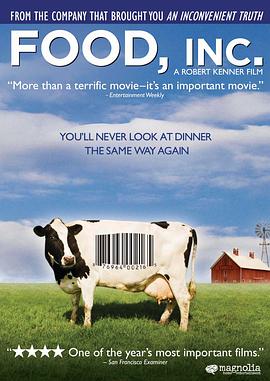
随着工业文明的高度发展,各种各样的食物也变得供不应求,但在这看似繁华的背后,食品安全却已到了不容忽视的地步。影片从快餐业入手,逐步向种植业、畜牧业、养殖业延展开去,揭露了大型食品公司经营者为了获取高额利润不惜改变动植物的生长方式和生长周期,他们在经营上取得丰厚的利润,而代价却是公众的健康和安全。在看似清洁的食品加工流水线上,沙门氏菌和希氏大肠杆菌毫无阻碍渗透到食物当中,毒害着人类的生命。由于政策等方面原因,人们无法也无力拒绝大公司强加于身的迫害。在金钱和欲望面前,我们自取灭亡…… 本片荣获2009年华盛顿影评人协会最佳纪录片奖。
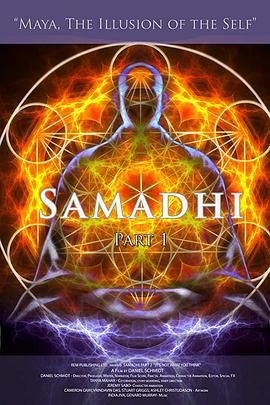
Samadhi Part 1 is the first installment in a series of films exploring Samadhi, an ancient Sanskrit word which points toward the mystical or transcendent union that is at the root of all spirituality and self inquiry.
Six girls living along the Amazon, Nile, Mississippi, Danube, Ganges, and Yangtze rivers learn about water and sustainability and use their newfound education to protect their communities and homes.
“炫车酷驾”使您可以随时了解德国和欧洲的最新汽车新闻。我们的编辑评鑑了汽车市场上所有的重点新款,并仔细检视最具竞争力的几组市场区隔。我们对汽车进行测试,检查其性能、车内空间和燃料消耗量,并带您认识引擎盖下的工程奥秘。从经典车款到概念车款,无所不包的“炫车酷驾"带您从驾驶席上体验这一切。
该纪录片聚焦“漫威漫画著名角色对创作者和观众的影响”,以不同的电影制作人为特色,探索构成漫威宇宙的每段历史和社会背景,由《主厨的餐桌》背后团队制作。
当年的潮人必备品!这部纪录片探索A&F在90年代后期及21世纪初所掀起的流行风潮,讲述该品牌如何凭借排他性而发展壮大
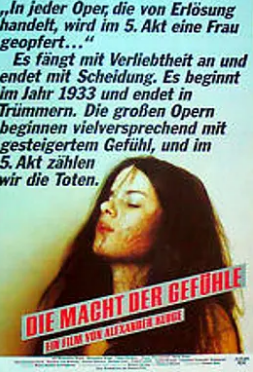
The Power of Emotion explains that emotion isn't to be confused with sentimentality. Emotion is ancient and more powerful than any art form. The film looks at young couples who run into difficulties as they try to translate their experiences of love into clear decision-making. A woman who has shot her husband provides a judge with a puzzle. Those who love can bring the dead back to life by means of co-operation. That's the focus of the opera, "The Power Plant of Emotions" and the "Opera of the 20th Century" cinema. Alexander Kluge: The Power of Feeling When I started working on The Power of Feeling, I was not in a rational state. I did not say, I have a subject and now I will make a film about it. Instead I was spellbound and observed in my direct surroundings, for example, how feelings move. I have not really dealt with the theme of my mother's death and the fact that she was the one who taught me "how feelings move." Nor have I dealt with how she died. That was an entire palette of feelings: "All feelings believe in a happy end," and everyone believes tacitly that they will live forever: The entire palette is somehow optimistic, a positive attitude towards life having been put on the agendaas long as she was young, as long as her body held out, from one day to the next she collapsed. She just suddenly collapsed, like in an opera where disaster takes the stage in the fifth act. It felt as if I had observed an air raid or a disaster. The film The Power of Feeling is not about feelings, but rather their organization: how they can be organized by chance, through outside factors, murder, destiny; how they are organized, how they encounter the fortune they are seeking.What is all this organization of feelings about? Generally feelings tend to be a dictatorship. It is a dictatorship of the moment. The strong feeling I am having right now suppresses the others. For thoughts this would not be the case. One thought attracts others like a magnet. People therefore need affirmation by other people to be sure about their own feelings (to counteract the acquisition of their feelings through outside forces). Through the interaction of many people, for example, in public, the various feelings also have a magnetic attraction to one another just like thoughts do. Feelings communicate through their manifestation in public. The cinema is the public seat of feelings in the 20th century. The organization is set up thusly: Even sad feelings have a happy outcome in the cinema. It is about finding comfort: In the 19th century the opera house was the home to feelings. An overwhelming majority of operas had a tragic end. You observed a victim. I am convinced that there is a more adventuresome combination: Feelings in both the opera and traditional cinema are powerless in the face of destiny's might. In the 20th century feelings barricaded themselves behind this comfort, in the 19th century they entrenched themselves in the validity of the lethal seriousness.
暂无简介
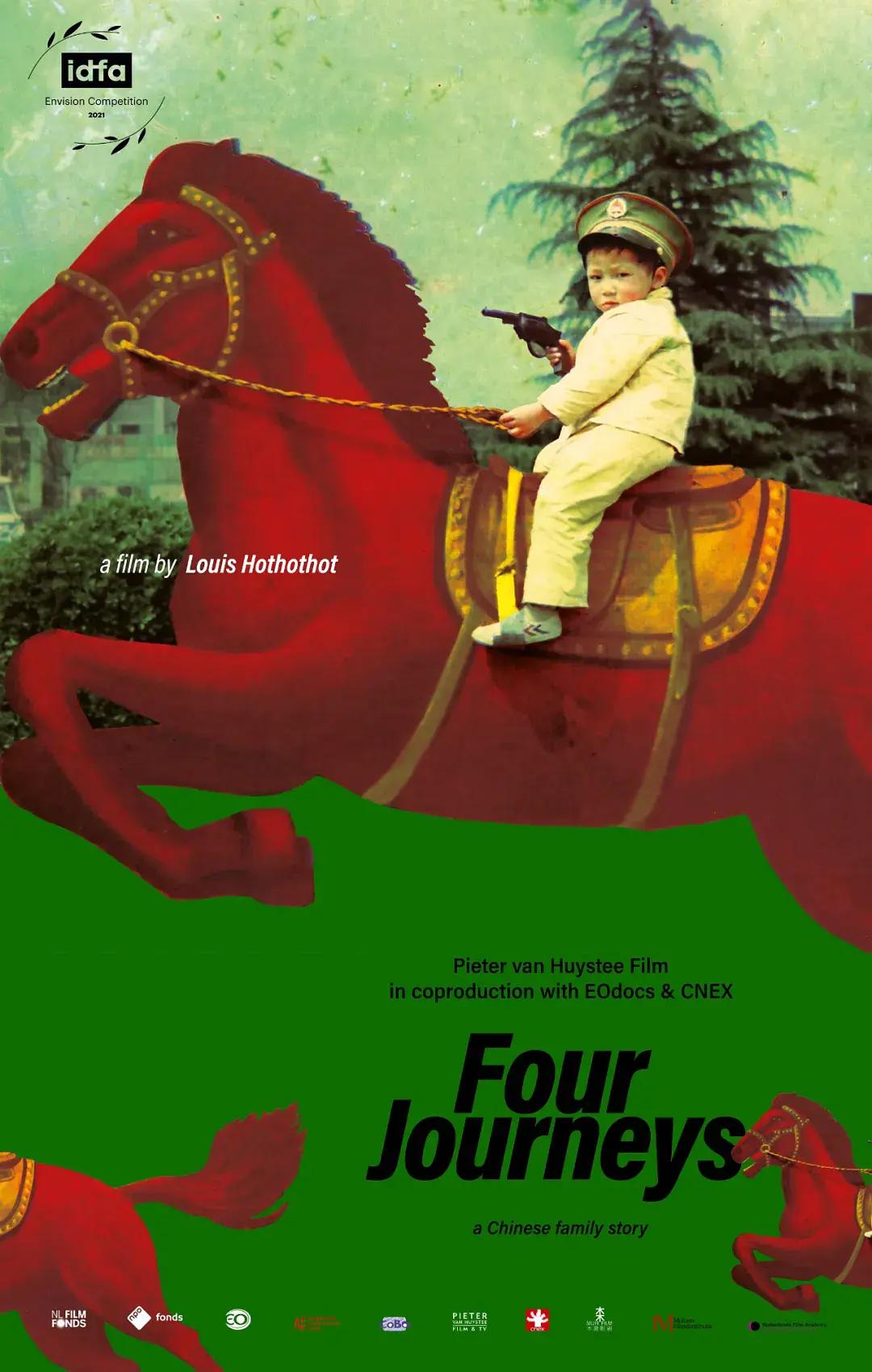
我出生在中國,是獨生子女政策實施時的第二個孩子。為了生我,我父親不得不支付三年的薪水。九年前,26歲的我搬到了荷蘭。四年前,在我31歲的時候回到了中國,回到了我的非法童年,回到了父母為了我的存在而支付了高昂代價的罪惡感裡。當我試圖修復我們之間不安的關係時,他們堅持要我生孩子。具有諷刺意味的是,中國的三胎政策已經到來。