真实犯罪纪录片系列,独家呈现世界各地凶手被定罪的视频片段。专家讲解最新技术如何构建视觉证据蒙太奇。
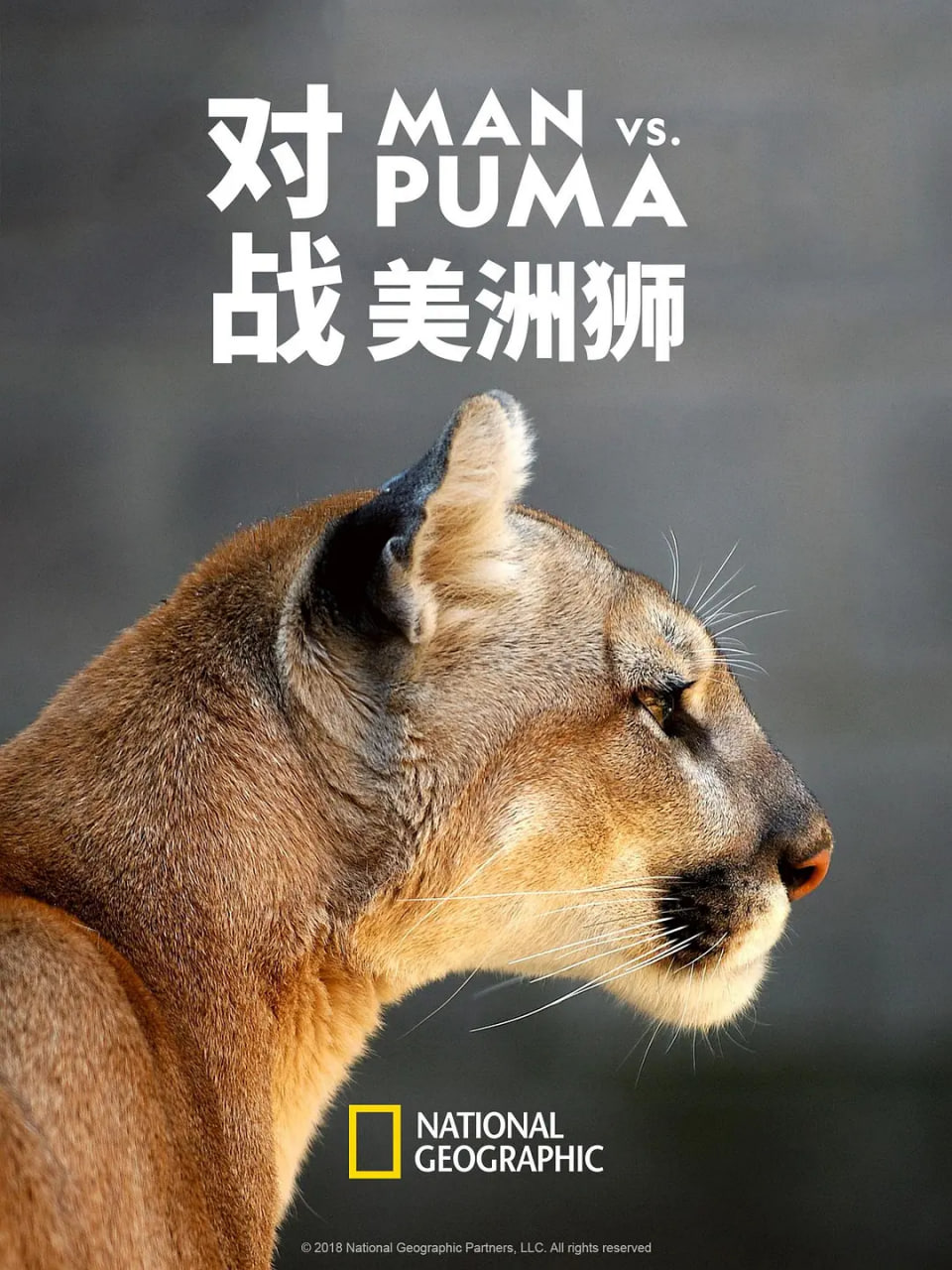
布恩·史密斯了解美洲狮。他一生都致力于追踪,协助和学习遍布在全球各地的美洲狮。但这在他爱达荷州的后院里,并不容易。这些捕食者因其难以捉摸而拥有“幽灵猫”的别名。有人可能会潜伏在他身后的岩石中,而他永远不会知道。但是在南美的两个特殊的地方,情况却大不相同。在智利,身处旷野的大胆美洲狮能在光天化日之下袭击它们的猎物骆马。在阿根廷,它们使洪堡企鹅成群减少,且常常让它们的尸体腐烂。布恩让自己沉浸在他的观察行动之中—以一种比大多数人敢接受的更近的距离,去充分观察这些聪明的猎手和他们的战术。
经典电影《末代皇帝》《战场上的快乐圣诞》《荒野猎人》的配乐,皆出于日本最具影响力的音乐大师坂本龙一之手。2017年他为时隔8年的新专辑《async》在纽约Park Avenue Armory的Veteran’s Room举行了两场一票难求的演奏,全球仅得200位观众有幸欣赏。坂本积极追溯和思考人与音乐的根源和关系,近年的作品风格亦见远离形式,更正视音乐本质。《async》的创作灵感源自日常事物、凋塑和自然。为追求极致声音,坂本在“async演奏会”上除表演拿手的钢琴,亦大玩鼓棍、棒枝敲击玻璃板,以及音响凋刻品,让观众用音乐去感知世界,与大师一起寻找永恒之音。
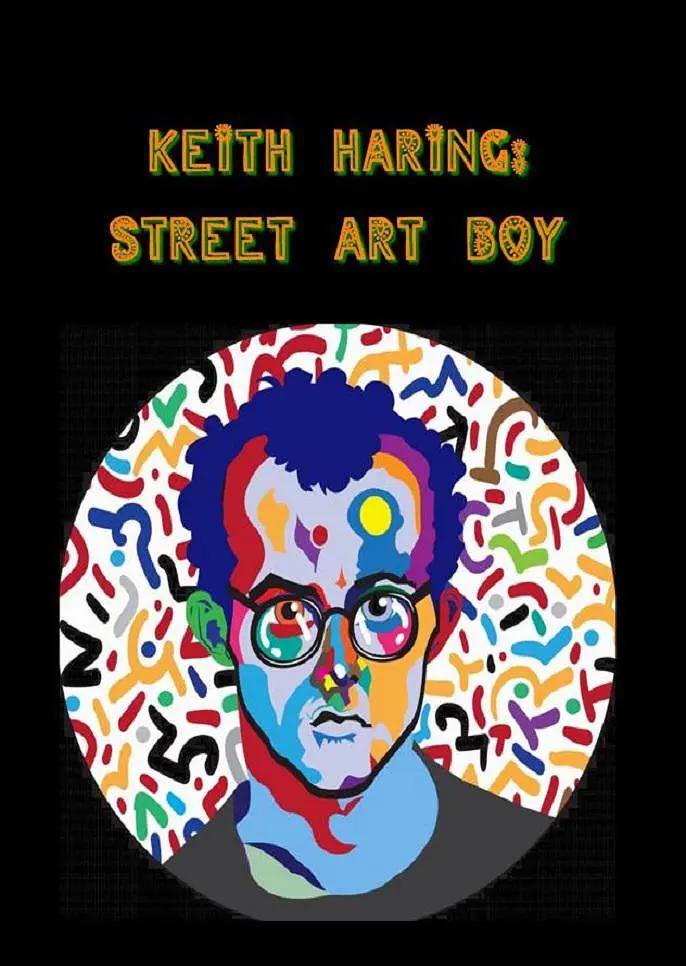
The story of international art sensation Keith Haring, told using previously unheard interviews.
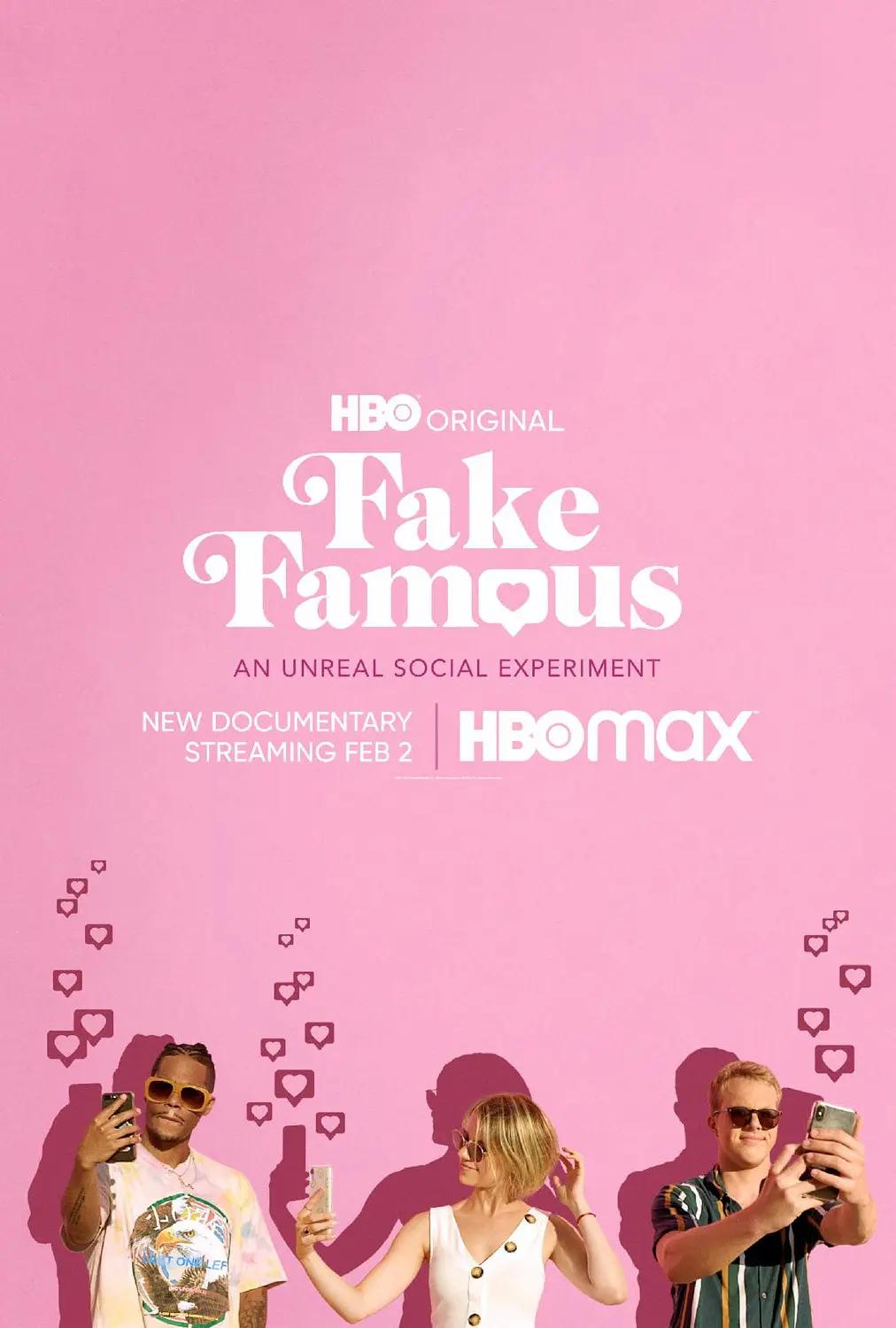
影片由资深记者尼克·比尔顿执导并制作,记录了将三名来自洛杉矶的“小透明”培养成网红的故事。这三名主角是充满抱负的女演员多米尼克,时装设计师克里斯以及房地产助理威利,他们原先在社交媒体上的“粉丝”并不多,但通过购买“假粉”和机器人来进行“互动”,这些新生的网红们,既沉浸地享受着“成名”,也承担着其中的代价。
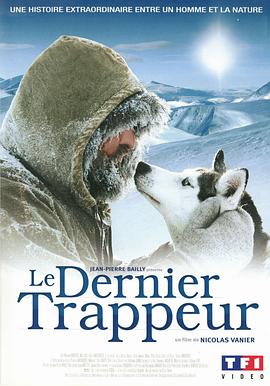
昨天我看了一个电影,是个法语片<最后的猎人,le dernier trappeur>,片子很很美,同时又有一点淡淡的忧伤,人们该好好思考人与自然的关系了。Trappeur中文翻译成猎人,但所指的是专门利用陷阱和夹子狩猎的猎人。片中男主人公Norman和他的印第安妻子Nebaska生活在远离城镇的大山中,延续传统尊重自然,与大自然和谐的相处。而如今文明的发展,让那种自然和谐的生活越发无处藏身。Norman不得不开辟新的居住地才能捕猎到皮毛动物,他有妻子Nebaska和忠实的雪撬犬相伴。片中虽然没有很多镜头表现两个人在一起的生活,但几个细节让我们可以感受到,他们是很彼此关怀爱护的。Nebaska为劳累的Norman按摩脊背,帮助他建好新的木屋,女人的灵感让Norman那天一定带上猎犬Abas, Norman开始并不喜欢Abas,但结果正是Abas把他从冰水中救出。女人们是很少愿意嫁给一个猎人的,现代的妇女更愿意稳定的生活,住在城镇中。没人愿意把生活系在毫无保障的夹子上的。但Nebaska还是和Norman相依为命的生活在一起。那种纯朴的心灵最美。
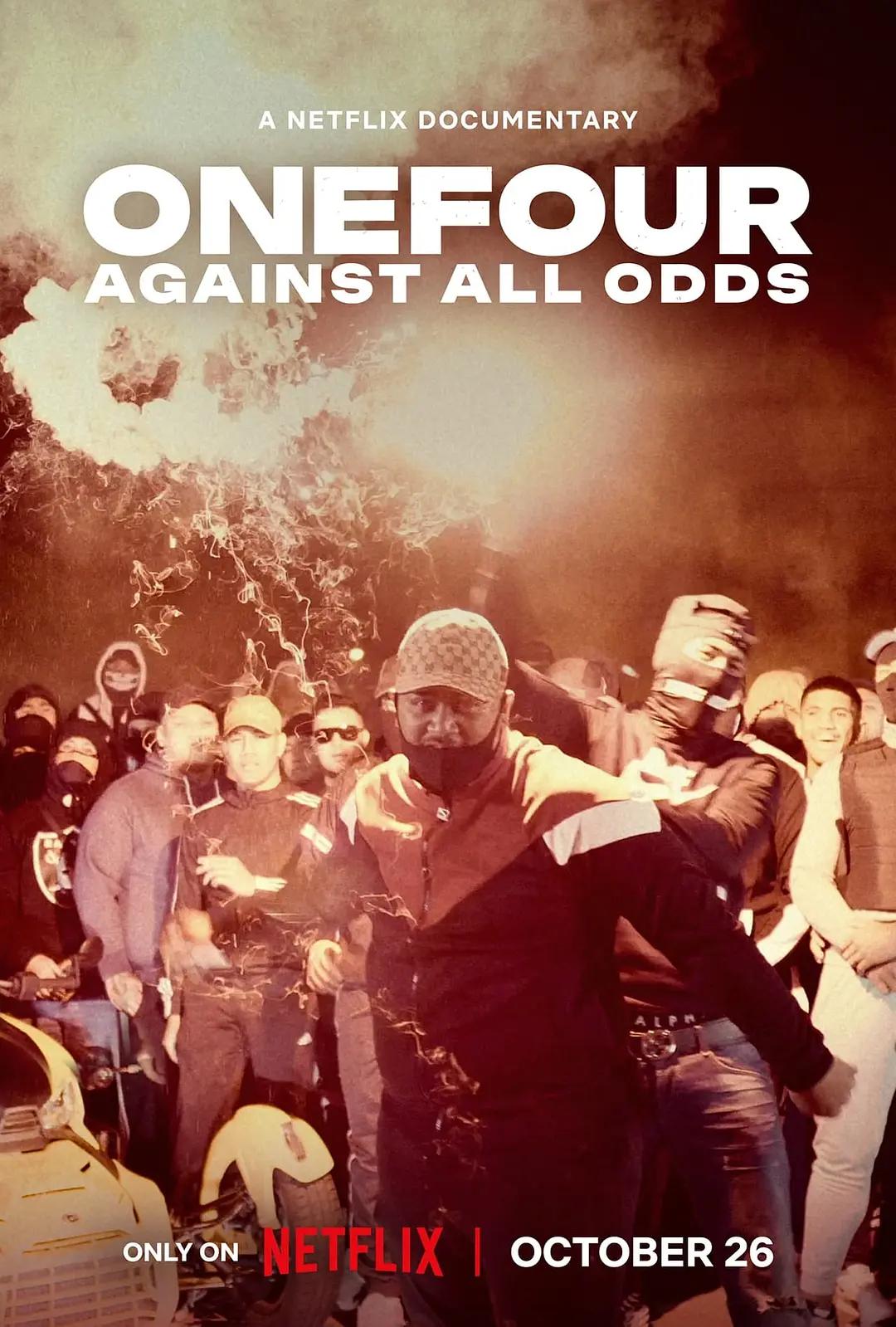
这部纪录片讲述了澳大利亚首批钻头说唱明星在警方禁止他们进行表演的情况下,通过抗争而逐渐崛起的过程。
Disney+原创纪录片《欧比旺:绝地归来》,披露《欧比旺》的创作历程,从未曝光的幕后花絮,让粉丝们再次感受星战的魅力。
Future of Food In the past year, we have seen food riots on three continents, food inflation has rocketed and experts predict that by 2050, if things don't change, we will see mass starvation across the world. This film sees George Alagiah travel the world in search of solutions to the growing global food crisis. From the two women working to make their Yorkshire market town self-sufficient to the academic who claims it could be better for the environment to ship in lamb from New Zealand, George Alagiah meets the people who believe they know how we should feed the world as demand doubles by the middle of the century. 【India】 George joins a Masai chief among the skeletons of hundreds of cattle he has lost to climate change and the English farmer who tells him why food production in the UK is also hit. He spends a day eating with a family in Cuba to find out how a future oil shock could lead to dramatic adjustments to diets. He visits the breadbasket of India to meet the farmer who now struggles to irrigate his land as water tables drop, and finds out why obesity is spiralling out of control in Mexico. Back in Britain, George investigates what is wrong with people's diets, and discovers that the UK imports an average of 3000 litres of water per capita every day. He talks to top nutritionist Susan Jebb, DEFRA minister Hilary Benn and Nobel laureate Rajendra Pachauri to uncover what the future holds for our food. 【Senegal】 George heads out to India to discover how a changing diet in the developing world is putting pressure on the world's limited food resources. He finds out how using crops to produce fuel is impacting on food supplies across the continents. George then meets a farmer in Kent, who is struggling to sell his fruit at a profit, and a British farmer in Kenya who is shipping out tonnes of vegetables for our supermarket shelves. He also examines why so many people are still dying of hunger after decades of food aid. Back in the UK, George challenges the decision-makers with the facts he has uncovered - from Oxfam head of research Duncan Green to Sainsbury's boss Justin King. He finds out why British beef may offer a model for future meat production and how our appetite for fish is stripping the world's seas bare. 【Cuba】 In the final episode George Alagiah heads out to Havana to find out how they are growing half of their fruit and vegetables right in the heart of the city, investigates the 'land-grabs' trend - where rich countries lease or buy up the land used by poor farmers in Africa - and meets the Indian agriculturalists who have almost trebled their yields over the course of a decade. George finds out how we in this country are using cutting-edge science to extend the seasons recycle our food waste and even grow lettuce in fish tanks to guarantee the food on our plates. He hears the arguments about genetically modified food and examines even more futuristic schemes to get the food on to our plates.
这部纪录片围绕着日本著名的水俣病环境污染事件(被称为世界八大公害事件之一)展开。影片分为三个部分,详尽地描绘了污染受害者所面临的困境。摄影团队走入这些家庭,对他们的生活状况、学者研究,以及法律诉讼等各个方面进行了调查与展示,表达了对环境保护刻不容缓的态度。本片历时15年拍摄,受到已故导演土本典昭的纪录片《水俣病患者及其世界》的启发。